Airbus a320 - wiki
Airbus fan
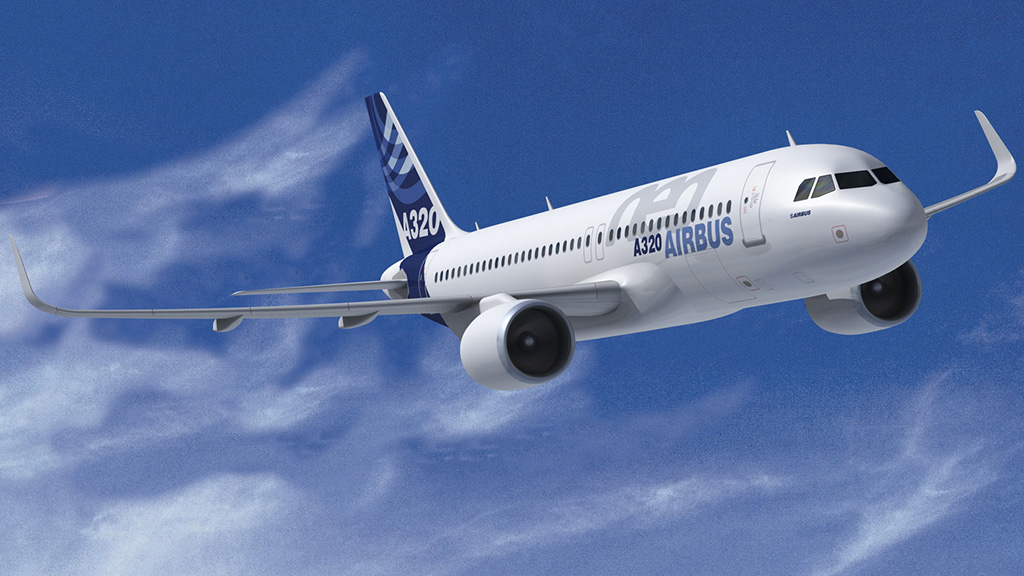
Airbus A320: The World’s Best-Selling Narrow-Body Aircraft
Introduction
The Airbus A320 is one of the most successful and widely used narrow-body commercial aircraft in the world. Introduced in 1988, it revolutionized aviation with its fly-by-wire technology, fuel efficiency, and versatility. The A320 family has become the backbone of short- and medium-haul routes, competing directly with the Boeing 737.
Development and History
Airbus launched the A320 program in 1984 to create a modern, fuel-efficient aircraft capable of competing with Boeing’s 737 series and McDonnell Douglas’ MD-80.
Key Milestones
- 1984 – Airbus officially launches the A320 program.
- 1987 – First flight of the A320 prototype.
- 1988 – Air France operates the first commercial A320 flight.
- 1994 – Introduction of the A321 (stretched version).
- 1996 – Launch of the A319 (shorter variant).
- 2003 – A318 enters service, becoming the smallest A320-family aircraft.
- 2010 – Airbus announces the A320neo (New Engine Option), improving efficiency.
- 2016 – First A320neo commercial flight with Lufthansa.
Today, the A320 family remains one of the best-selling aircraft in history, with over 10,000 units delivered.
Technical Specifications
| Specification | A320ceo (Classic) | A320neo (New Engine Option) |
|---|---|---|
| Length | 37.57 m (123.3 ft) | 37.57 m (123.3 ft) |
| Wingspan | 34.1 m (111.8 ft) | 35.8 m (117.5 ft) |
| Height | 11.76 m (38.6 ft) | 11.76 m (38.6 ft) |
| Max Takeoff Weight | 78,000 kg | 79,000 kg |
| Range | 6,150 km (3,320 nm) | 6,850 km (3,700 nm) |
| Engines | CFM56-5B / IAE V2500 | CFM LEAP-1A / PW1100G |
| Seating Capacity | ~150-180 passengers | ~150-195 passengers |
Design and Features
1. Fly-by-Wire Technology
The A320 was the first commercial aircraft to use a full fly-by-wire (FBW) control system, replacing traditional mechanical controls with electronic signals. This innovation:
- Improves safety by preventing excessive pilot inputs.
- Enhances fuel efficiency through optimized flight control.
- Reduces pilot workload by automating many processes.
2. Cockpit and Avionics
The A320 cockpit features:
- Side-stick controllers, allowing easier maneuverability.
- EFIS (Electronic Flight Instrument System) with large LCD screens.
- Common Type Rating, allowing pilots to transition easily between Airbus models.
3. Cabin and Passenger Experience
The A320 family is known for its comfortable cabin with:
- 18-inch-wide seats, offering more space than many competitors.
- Advanced LED lighting, reducing passenger fatigue.
- Wider overhead bins, improving luggage storage.
4. Aerodynamics and Fuel Efficiency
The A320neo introduces:
- New wingtip devices (Sharklets), reducing fuel consumption by up to 4%.
- Next-generation engines, improving efficiency by 15-20%.
Variants of the A320 Family
A320ceo (Current Engine Option)
- The original A320 with CFM56 or IAE V2500 engines.
- Still in service with many airlines worldwide.
A320neo (New Engine Option)
- Introduced in 2016 with LEAP-1A or PW1100G engines.
- Offers improved range, lower emissions, and higher efficiency.
Other A320 Family Variants
- A318 – Smallest variant, seating 100-120 passengers.
- A319 – Shorter fuselage but increased range, seating 120-150 passengers.
- A321 – Stretched version, seating 185-240 passengers.
Airlines Operating the A320
The A320 family is used by major airlines worldwide, including:
- American Airlines
- Delta Air Lines
- United Airlines
- Lufthansa
- Air France
- British Airways
- IndiGo (largest A320neo operator)
- Ryanair (A320 fleet for its subsidiary Lauda)
Environmental Impact
The A320neo is one of the most environmentally friendly aircraft, offering:
- 15-20% lower CO₂ emissions than older models.
- 50% reduction in noise footprint, making it quieter at airports.
- Use of sustainable aviation fuel (SAF) to reduce carbon footprint.
Future of the A320
With increasing demand for fuel-efficient aircraft, Airbus is exploring future improvements for the A320 family, including:
- A321XLR (Extra Long Range), capable of flying 8,700 km (4,700 nm).
- Hybrid and hydrogen-powered aircraft concepts for lower emissions.
- Continuous updates to avionics and flight control systems to enhance safety and efficiency.
Conclusion
The Airbus A320 is a game-changer in aviation, known for its efficiency, reliability, and innovative technology. With over 10,000 aircraft delivered, it continues to be the backbone of short- and medium-haul air travel. As Airbus introduces new variants and enhancements, the A320 family remains a leader in modern aviation.
Related Articles
- Boeing 737 vs. Airbus A320: Which is Better?
- How Airbus Fly-By-Wire Revolutionized Aviation
- A320neo vs. A320ceo: Key Differences