Airbus a350 - wiki
Airbus fan
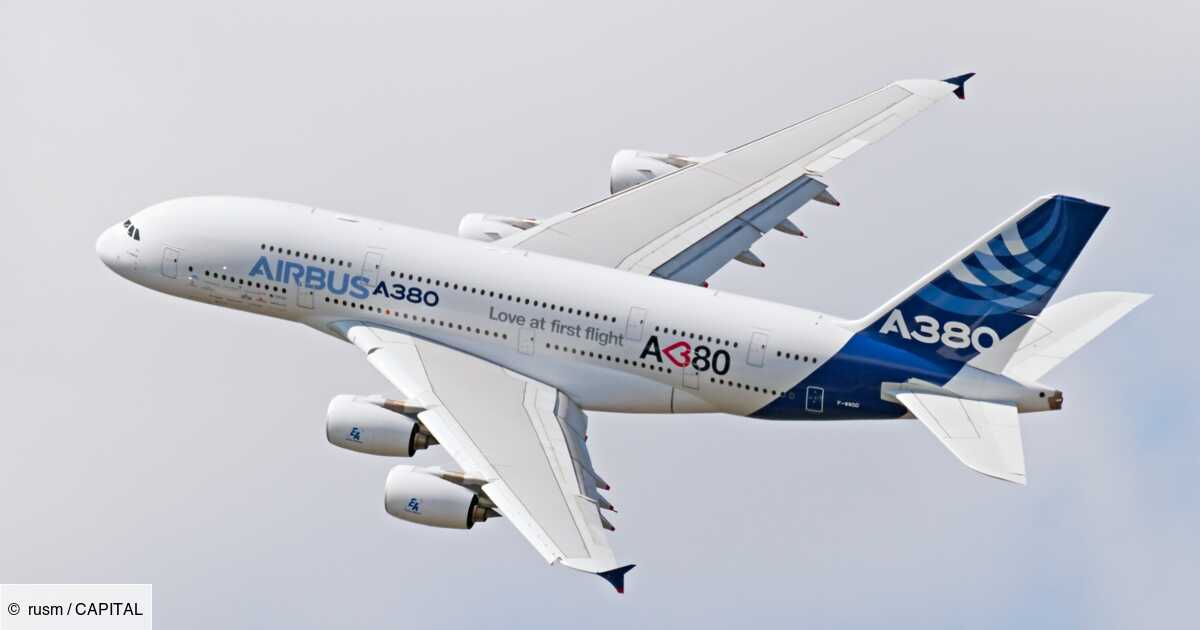
Airbus A380: The World’s Largest Passenger Aircraft
Introduction
The Airbus A380 is the largest commercial aircraft ever built, designed to carry over 800 passengers in an all-economy configuration. Introduced in 2007, the A380 was Airbus’ answer to growing demand for high-capacity, long-haul air travel. Featuring two full decks, four powerful engines, and advanced aerodynamics, the A380 set new standards for passenger comfort and operational efficiency.
Despite its revolutionary design, the A380 faced economic challenges due to changing airline preferences and high operating costs. Airbus officially ended A380 production in 2021, but the aircraft remains a favorite among passengers and aviation enthusiasts.
Development and History
The concept for a superjumbo aircraft began in the 1990s, as Airbus aimed to compete with the Boeing 747 in the large aircraft market. After extensive research and development, the first A380 prototype was unveiled in 2005, followed by its first flight on April 27, 2005.
Key Milestones
- 1994 – Airbus begins studies on a new large aircraft.
- 2000 – Airbus officially launches the A380 program.
- 2005 – First A380 test flight from Toulouse, France.
- 2007 – First commercial flight operated by Singapore Airlines.
- 2019 – Airbus announces the end of A380 production due to declining orders.
- 2021 – Final A380 delivery to Emirates, the largest operator of the aircraft.
Technical Specifications
| Specification | Airbus A380-800 |
|---|---|
| Length | 72.72 m (238.6 ft) |
| Wingspan | 79.75 m (261.8 ft) |
| Height | 24.09 m (79.0 ft) |
| Max Takeoff Weight | 1,234,600 lbs (560,000 kg) |
| Range | 8,000 nm (14,800 km) |
| Engines | 4 × Rolls-Royce Trent 900 or Engine Alliance GP7200 |
| Typical Seating | 555 (3-class) / 850 (all-economy) |
Design and Features
1. Double-Deck Cabin Layout
The A380 is the only commercial aircraft with two full passenger decks, offering more space than any other airliner. Airlines configured the aircraft with luxury first-class suites, bars, onboard lounges, and even showers in premium cabins.
2. Advanced Wing and Aerodynamics
The A380’s massive wings, with a span of nearly 80 meters, are designed to optimize lift and efficiency. Features include:
- Wingtip fences to reduce drag and improve fuel efficiency.
- Lightweight materials such as carbon-fiber-reinforced polymer (CFRP) to reduce weight.
3. Powerful and Efficient Engines
The aircraft is powered by four turbofan engines, either Rolls-Royce Trent 900 or Engine Alliance GP7200, providing:
- Long-haul capability for flights over 14,000 km.
- Quieter operations compared to older four-engine aircraft.
- Improved fuel efficiency despite its size.
4. State-of-the-Art Cockpit and Fly-by-Wire System
The A380 cockpit is equipped with:
- Advanced avionics and LCD displays similar to the A320 and A330 families.
- Fly-by-wire controls, reducing pilot workload and improving flight safety.
- Side-stick controllers, maintaining commonality with other Airbus aircraft.
5. Passenger Comfort and Experience
The A380 offers an unmatched passenger experience with:
- Wider seats and larger cabins, even in economy class.
- Lower cabin altitude (5,000 ft), improving passenger well-being.
- Quietest cabin among large aircraft, reducing travel fatigue.
Operators of the A380
Despite its discontinuation, several airlines continue to operate the A380 on long-haul routes. The largest operators include:
- Emirates (Biggest A380 fleet with over 100 aircraft)
- Singapore Airlines
- British Airways
- Qatar Airways
- Lufthansa
- Air France (retired its A380 fleet in 2020)
- Etihad Airways
- Qantas
Challenges and End of Production
1. Changing Market Demand
The A380 was designed for hub-to-hub travel, assuming that major airports would need high-capacity aircraft. However, airlines shifted toward point-to-point travel with smaller, fuel-efficient twin-engine aircraft like the Boeing 787 and Airbus A350.
2. High Operating Costs
While efficient for carrying large numbers of passengers, the A380 had:
- High fuel consumption compared to twin-engine alternatives.
- Expensive maintenance costs, particularly for its four-engine design.
- Limited flexibility, as not all airports could accommodate its size.
3. The Impact of COVID-19
The COVID-19 pandemic in 2020 accelerated the retirement of many A380s, as airlines prioritized smaller, more cost-effective aircraft for recovery.
Future of the A380
Despite production ending in 2021, the A380 remains in service with major airlines, particularly Emirates, which plans to operate the aircraft until the 2040s. Some possibilities for the future include:
- Freighter Conversion – While Airbus initially explored an A380F (freighter version), the project was canceled. However, some operators are considering cargo modifications.
- Sustainable Fuel Operations – Trials with Sustainable Aviation Fuel (SAF) could extend the aircraft’s viability.
- Luxury Private Use – Some retired A380s may be converted into VIP or business jets.
Conclusion
The Airbus A380 remains an icon of modern aviation, known for its luxury, size, and technological advancements. Despite economic challenges, it continues to be a passenger favorite and is expected to fly for decades to come. While it may be the last quad-engine superjumbo, its legacy as the largest commercial aircraft ever built is secured in aviation history.
Related Articles
- Airbus A350 vs. A380: Which is Better for Airlines?
- The Rise and Fall of the Airbus A380
- How Fly-By-Wire Changed Aviation: Airbus Technology Explained